
Propagating Snake Plants: Your Ultimate Green Thumb Guide and Beyond
Updated: Jan 31

Hey there, fellow plant enthusiasts!
If you're looking to expand your plant family without breaking the bank, you're in for a treat. In this comprehensive guide, we're diving deep into the art of propagating snake plants and exploring similar plants you can propagate with ease. Get ready to unleash your inner green thumb and watch your plant collection flourish!
This post contains affiliate links, please read Disclaimer for more info.
TABLE OF CONTENTS
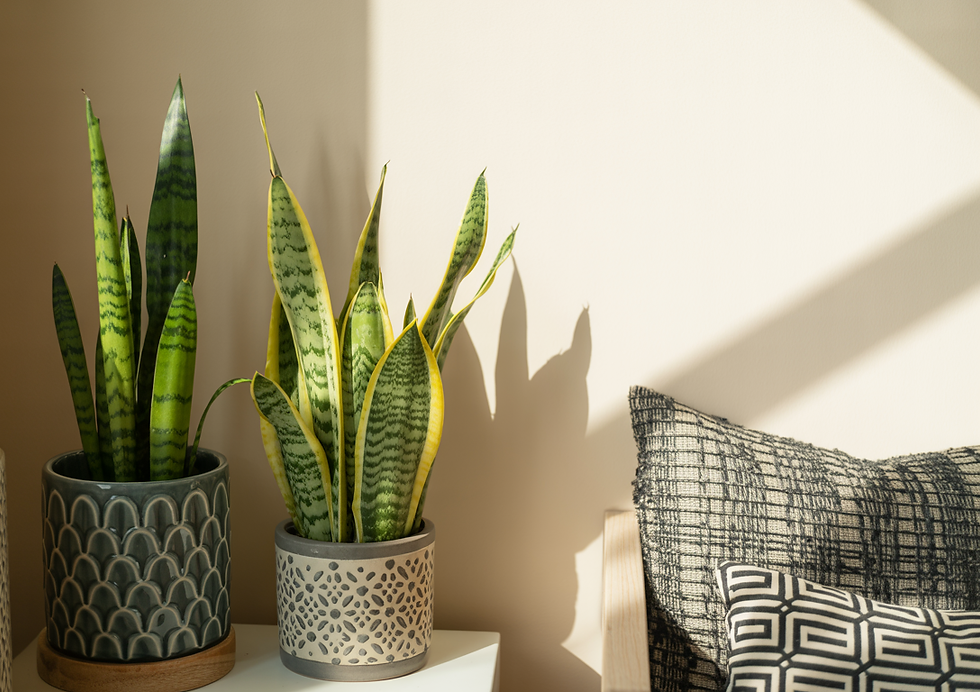
Quick check: Is your snake plant healthy? Healthy snake plants have upright, firm leaves with consistent color. If leaves are leaning, wrinkled, or mushy, it’s time to reassess watering or drainage.

Understanding Plant Propagation Basics
Welcome to the first chapter of our propagation journey – a guide designed to unravel the mysteries of plant propagation and pave the way for your gardening triumphs. Whether you're a novice plant parent or a seasoned pro, grasping the fundamentals is essential to nurturing your very own botanical haven.
Before we delve into the specifics, let's talk about the basics of plant propagation. Simply put, propagation is the process of creating new plants from existing ones. It's like giving your plants a chance to have "plant babies." Exciting, right? Whether you're a seasoned plant parent or just starting your journey, understanding these fundamentals is key.
Why Mastering Plant Propagation Matters
Think of plant propagation as nature's way of sharing love. By understanding the art of propagation, you gain the power to multiply your plant collection without spending a fortune. Imagine turning a single leaf or stem into a flourishing oasis – that's the magic of propagation!
Understanding plant propagation lays the foundation for your journey into the vibrant world of indoor gardening. With this knowledge in your green toolbox, you'll be well-equipped to propagate not only snake plants but a variety of other leafy companions. So, buckle up, fellow green thumb enthusiast, as we embark on this propagation adventure together!
THE BUILDING BLOCKS OF PROPAGATION
Propagation primarily happens through two methods: sexual and asexual. Sexual propagation involves seeds, while asexual propagation centers on creating new plants from existing ones, without the need for seeds. In this guide, we'll focus on asexual propagation, the go-to for most indoor gardeners.
Keep scrolling, we'll dive into the captivating world of snake plant propagation. Let's get those hands dirty – in the most delightful way!
Unveiling the Mystique of Snake Plants
As we continue our propagation journey, we're about to unravel the captivating allure of snake plants (Sansevieria trifasciata). Prepare to be enchanted by their elegant beauty, air-purifying prowess, and the secrets they hold for propagation success.
Interested in learning more about the history of snake plants? Learn more here
The Allure of the Snake Plant
Let's shine the spotlight on one of the most popular and beginner-friendly plants: the snake plant (Sansevieria trifasciata). Also known as "Mother-in-Law's Tongue," this beauty has become a staple in households worldwide. Their unique vertical sword-like leaves exude an air of sophistication, instantly elevating any space. But there's more to these striking plants than meets the eye.
Air-Purifying Powerhouses
One of the most remarkable traits of snake plants is their exceptional air-purifying abilities. These green wonders are like natural air filters, diligently removing toxins from the environment. This makes them perfect companions for bedrooms, offices, and any area where fresh, clean air is a must.
But how do you multiply the magic? Cue propagation!

Snake Plant Propagation Demystified
It's time to roll up those sleeves and get your hands dirty – metaphorically, of course. Snake plants can be propagated through a few different methods:
Leaf Cuttings
Select a healthy leaf, cut it into sections, and allow them to dry. The leaf should be free from damage and disease. Using clean, sharp scissors, carefully cut the leaf into sections, each about 2-3 inches long. Allow these sections to dry for a day or two, which prevents rotting when they're planted.
Plant the dried leaf sections into well-draining soil, burying them about an inch deep. Water lightly and provide indirect sunlight. Over time, these sections will send out roots and sprout new leaves, giving life to brand-new snake plants. Plant the sections in well-draining soil and watch as they root and grow into new plants.

Division: Nurturing Independence
Another fantastic method for propagating snake plants is division. This technique is especially handy for mature snake plants that have outgrown their pots. Here's how to set the stage for division success:
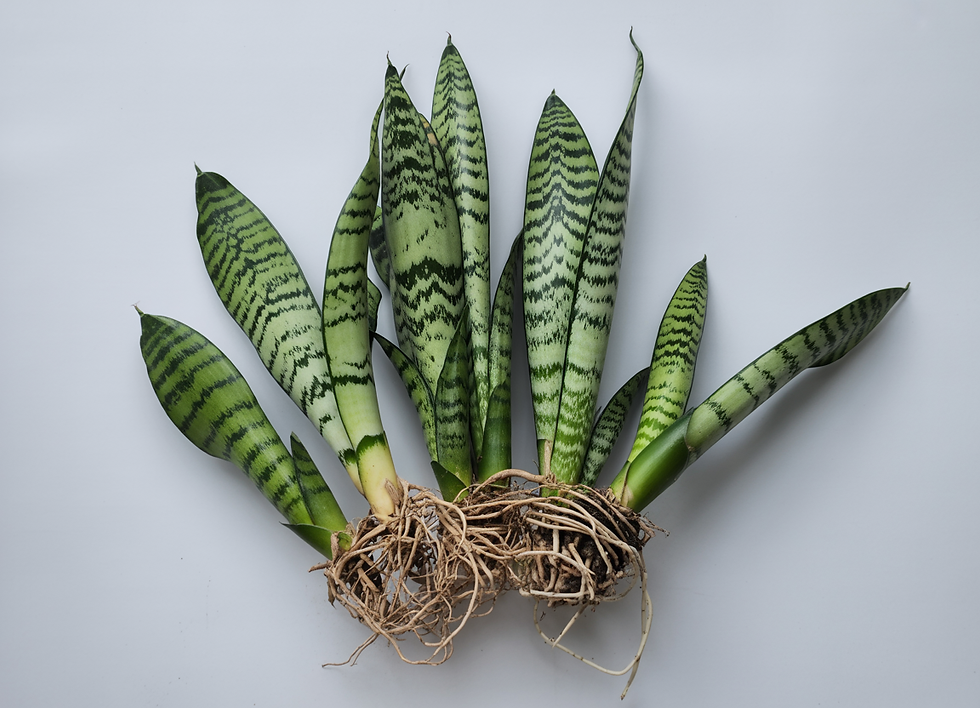
Gently remove the snake plant from its container and inspect its roots. You'll likely notice small offshoots, or pups, attached to the main plant. Carefully separate these pups from the main plant, ensuring they have their own root system intact. It's like giving your plant children a chance to thrive independently. Repot each pup into its own container filled with well-draining soil. Water lightly and provide the same loving care you offer to their parent plant.
Common mistake: Watering snake plants on a schedule instead of checking the soil. These plants prefer drying out completely between waterings.
Let's focus on an alternative method – water propagation.

Unveiling the Water Propagation Method
Choose a healthy leaf from your snake plant, ensuring it's free from any signs of damage or disease. A leaf with a bit of length is ideal for this method. If you're dealing with plants that are struggling or on the verge of fading away, this method can be a lifeline. Isolate the surviving pups and give them a chance at rejuvenation by immersing them in water.
Find a bright, indirect light spot to place your water-filled container. Over the next few weeks, you'll witness the magic of roots beginning to sprout from the submerged portions of the leaf sections. Once your new roots are a few inches long, you can transplant your budding snake plant cuttings into well-draining soil. Plant them about an inch deep and provide a gentle watering.
Did you know? Snake plants store water in their leaves, which is why they tolerate drought better than overwatering. Too much water is the most common reason snake plants fail.
I get such a kick out of observing those roots sprout, so you'll often find my propagated plants happily chilling in see-through glass jars for months on end! This little trick allows me to have a real heart-to-heart with my plant pals and get a sneak peek into the mysterious world of soil and growth. It's like our very own secret garden adventure!

Interested in making an organic soil blend for your snake plant? Learn more here
Frequently Asked Questions About Snake Plants
How often should I water a snake plant?
Most snake plants only need watering every 2–4 weeks. Always allow the soil to dry out completely before watering again.
Can snake plants grow in low light?
Yes, snake plants tolerate low light, but they grow faster and look healthier in bright, indirect light.
Do snake plants need drainage holes?
Yes. Drainage holes help prevent excess moisture from sitting in the soil, which can lead to root rot.
If your snake plant doesn’t look perfect right away, don’t stress. These plants are resilient and often bounce back once their environment is adjusted.
Thriving Together: Similar Plants to Propagate
While snake plants are fantastic, let's not stop there. Here are a few other plants you can easily propagate using similar techniques:

Spider Plant (Chlorophytum comosum): Known for its arching leaves adorned with "babies," spider plants can be propagated by potting the baby plants once they develop roots.

Pothos (Epipremnum aureum): With its heart-shaped leaves, Pothos plants are perfect for propagation via cuttings. Snip a healthy vine, place it in water, and wait for roots to sprout.
Products That Help Keep My Plants Healthy and Happy
Congratulations on embarking on your snake plant journey! Armed with this comprehensive guide, you're now equipped with the knowledge and skills to grow and care for these beautiful and resilient houseplants. From selecting the perfect snake plant to providing the ideal.

Miracle-Gro Indoor Potting Mix
With the Miracle-Gro Indoor Potting Mix, I also add in my own mix of natural elements like dried banana peels, coffee grinds and egg shells. The Miracle Grow gives me a base while the others help my plants strive. It also helps save money on buying a lot of soil!

Fiskars Micro-Tip Pruning Snips
If you are looking for a nice quality pair of gardening shears, you should definitely consider purchasing a pair of these. The Fiskars Micro-Tip Pruning Snips are made with stainless steel blades that stay sharp. Designed to provide a comfortable and precise grip, these pruning snips are ideal for those with arthritis or limited hand strength. They are also very sharp and can easily cut through tough materials.

Mad Grip Palm Gloves
Mad Grip Palm Gloves are my favorite pair of gloves for everyday gardening. The Pro Palm offers unmatched dexterity that allows for all day comfort. The grip combined with cushioning on the palm prevents blistering and hand fatigue while maintaining maximum control of the task at hand.
They are also breathable and absorbent, so your hands will stay cool and dry even on the hottest days. And because they are made of bamboo, they are naturally antibacterial and anti-fungal.
If you are looking for a pair of gloves that will last you for years and that will make your gardening experience more enjoyable, then you need to buy a pair of Mad Grip Palm Gloves.
Pro Tips for Propagation Success
To ensure your propagation journey is smooth sailing, here are some expert tips to keep in mind:
Use well-draining soil to prevent root rot and promote healthy growth. Click here to learn more about making your own organic soil blend.
Place your propagation containers in indirect sunlight to encourage root development.
Patience is a virtue! It might take some time for your new plants to establish themselves.
Common mistake: Assuming snake plants thrive in no light. While they tolerate low light, they grow best with bright, indirect light.
Snake plants are often recommended for beginners because they’re considered low-maintenance indoor plants when cared for correctly. Remember, plant propagation is a journey that rewards patience and care. As your plants grow and thrive, you'll experience the joy of nurturing life from a tiny cutting to a lush, vibrant plant. So go ahead, get propagating, and watch your indoor garden flourish like never before. Happy planting! 🍃
Interested in making an organic soil blend for your snake plant? Learn more here
Follow me for daily doses of plant inspiration, propagation triumphs, and a sprinkle of green joy in your feed. Explore more beginner-friendly plant care guides here on Green Inspirations. Together, we'll nurture our passion for plants and create a community that celebrates the beauty of growth, one leaf at a time. 🌱✨

$50
Product Title
Product Details goes here with the simple product description and more information can be seen by clicking the see more button. Product Details goes here with the simple product description and more information can be seen by clicking the see more button

$50
Product Title
Product Details goes here with the simple product description and more information can be seen by clicking the see more button. Product Details goes here with the simple product description and more information can be seen by clicking the see more button.
$50
Product Title
Product Details goes here with the simple product description and more information can be seen by clicking the see more button. Product Details goes here with the simple product description and more information can be seen by clicking the see more button.


Comments